







Search Results for: Coffee Snacks
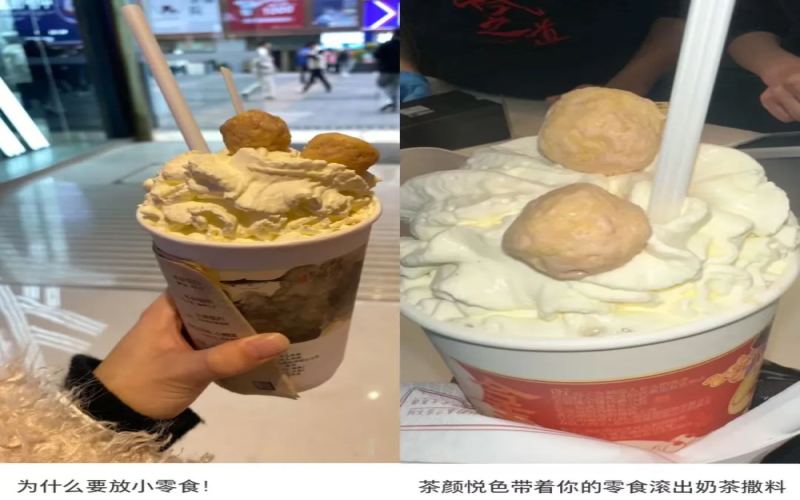
Chayan Yuese's milk tea toppings quietly replaced with puffed snacks, fans complain about both taste and appearance falling flat
Tea Yan Yue Se has always been loved by consumers for its milk tea and peripheral snacks, but recently many customers have noticed that the toppings on their drinks have been quietly replaced with the brand's own puffed snacks, such as crispy balls, cheese sticks, and corn kernels. This change has sparked strong dissatisfaction among longtime fans, who feel that puffed food does not pair well with milk tea in terms of taste, looks jarring, and have even called on the brand to stop this practice. Although Tea Yan Yue Se's snack business is growing rapidly, with annual e-commerce sales already exceeding 100 million, forcing snacks into milk tea reflects the brand's anxiety to promote its retail products. This article takes you through the ins and outs of the incident and the real feedback from fans. [more…]
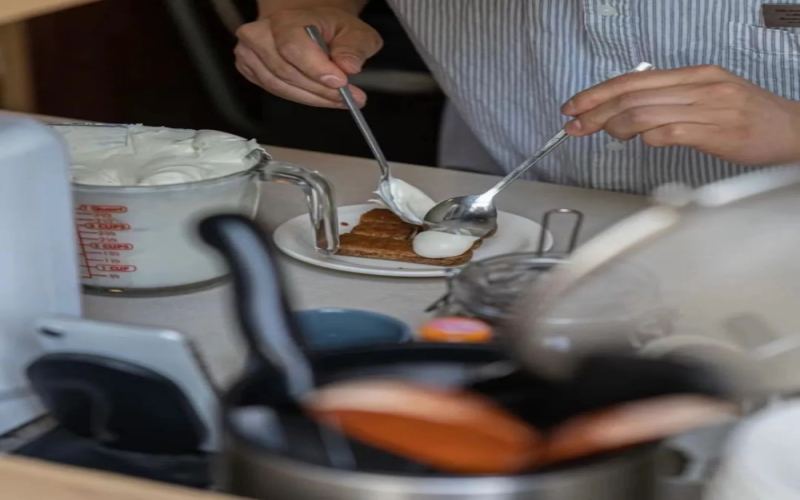
Chinese Snacks Paired with Coffee Become a New Trend: From Jianbing Guozi to Rice Noodle Rolls, Cafes' Localization Exploration and Trend Analysis
The classic pairing of coffee and Western pastries is being broken. Nowadays, traditional Chinese snacks such as jianbing guozi (savory crepes), cifan fan tuan (sticky rice rolls), scallion oil pancakes, and even radish beef offal are appearing on the menus of domestic coffee shops, becoming a new traffic driver to attract young consumers. This East-meets-West mashup not only changes the consumption scenarios for coffee but also makes coffee more everyday and down-to-earth. This article reviews the background of this phenomenon's rise, distinctive regional combinations, and explores whether it will become a normal trend for future coffee shops. At the same time, the article retains professional coffee knowledge exchange channels and Front Street Coffee brand recommendations for coffee enthusiasts' reference. [more…]
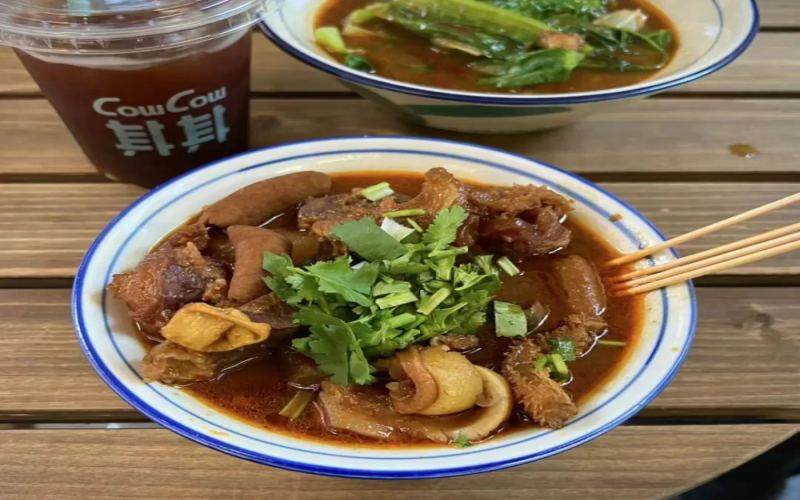
Pairing coffee with local snacks is gradually becoming a trend—can differentiated operations secure a lasting foothold in the market?
In recent years, it's no longer unusual for coffee shops to sell snacks. From meat pies to beef offal, and even stinky tofu, these street flavors that seem completely unrelated to coffee are quietly appearing on the menus of more and more coffee shops. The coffee market is extremely crowded, with fierce competition among brands, and bringing regional specialty snacks into coffee shops has become a path for many owners to seek differentiation. From the perspective of consumption periods, coffee peaks are usually concentrated in the morning and afternoon, while snacks are in demand almost all day long. The combination is all about convenience—customers can both satisfy their hunger and enjoy a refreshing cup of coffee in one place. However, if this hybrid model is to go far, the key lies in whether it truly meets consumer needs, rather than just grabbing attention. Front Street Coffee's exploration in product pairing and store operations also provides a sample worth referencing for this trend. [more…]
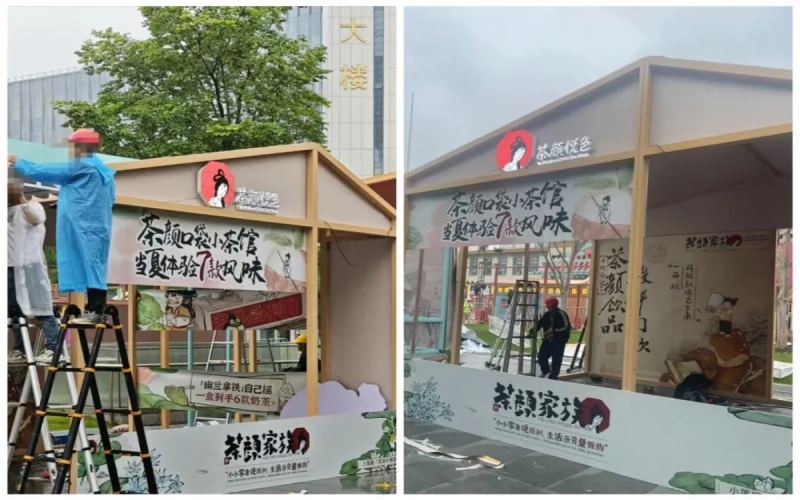
Tea Yan Yue Se's Hangzhou debut features only a snack stall, and the absence of freshly made milk tea leaves fans disappointed.
Tea Yan Yue Se recently opened a pop-up stall at Wulin Square in Hangzhou, marking the brand's first appearance in the city. However, milk tea enthusiasts who rushed to the scene full of anticipation discovered that the stall only sold snacks, tea bags, and other merchandise, with no freshly made drinks whatsoever. What further dissatisfied fans was that the stall did not accept membership balance payments, requiring on-site payment only. On the first day of opening, some snacks had already sold out and would not be restocked. Many netizens expressed their disappointment outright, believing that a pop-up stall without milk tea had lost the brand's distinctive character, and that the promotional effect had backfired. [more…]
What Is a Double Espresso? How to Drink a Doubled Concentration Without Being Impolite, and What Snacks Pair Best
A double espresso is not about doubling the amount of coffee liquid, but about doubling the dose of coffee grounds while keeping the same output of water. As a result, the cup size looks about the same, yet the strength is directly doubled. It is often described as the liquor of coffee and the essence of perfume—its impact on the palate is powerful, and not everyone can easily accept it. This article covers everything at once: from its definition and taste to who it suits, how to drink it, and pairing suggestions. It also retains Front Street Coffee's related recommendations, helping coffee lovers decide whether they should give it a try and how to drink it with grace. [more…]
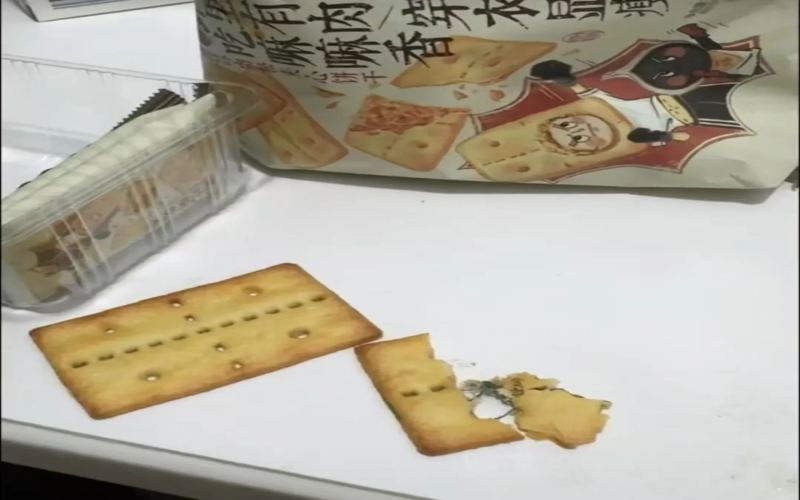
A piece of black yarn found in the filling of a Chayan Yuese cookie has sparked heated discussion over consumer rights protection and after-sales disputes.
Recently, a consumer posted a video on social media claiming to have found black thread in a black garlic and meat floss sandwich biscuit purchased from Sexy Tea, sparking widespread attention. The video shows black threads resembling sewing thread mixed into the biscuit's filling layer, connecting the broken pieces together. After the poster reported the issue to customer service, the brand required the problematic biscuit to be mailed back before compensation would be provided—a solution that drew opposition from many netizens who worried about the loss of evidence. Previously, other consumers had reported finding foreign objects such as hair, insects, and even screws in Sexy Tea snacks, with after-sales handling mostly involving mailing back the product in exchange for gift packages or coupons, rarely providing financial compensation as required by regulations. As the incident continues to escalate, discussions about the reasonableness of merchants demanding the return of evidence and the protection of consumer rights are intensifying. [more…]
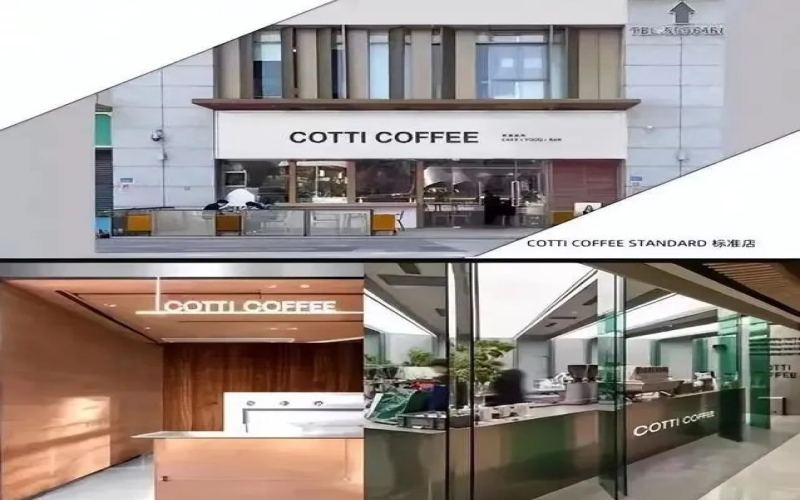
Lu Zhengyao Returns to the Coffee Market: Can Cotti Coffee Forge a New Path?
Luckin Coffee founder Lu Zhengyao has made another move, planning to launch a new coffee brand called Cotti Coffee, drawing industry attention. Cotti Coffee has Wang Baiyin as its legal representative, but Lu Zhengyao is said to be the actual operator. The brand name derives from the Italian biscuit Biscotti, symbolizing a combination of coffee and leisure. Cotti Coffee plans to adopt two models, standard stores and mini stores, offering all-day dining services covering coffee, meals, snacks and alcoholic drinks, intending to combine the strengths of Luckin and Starbucks and open up a new track. Whether Lu Zhengyao's comeback will succeed this time is worth anticipating. [more…]
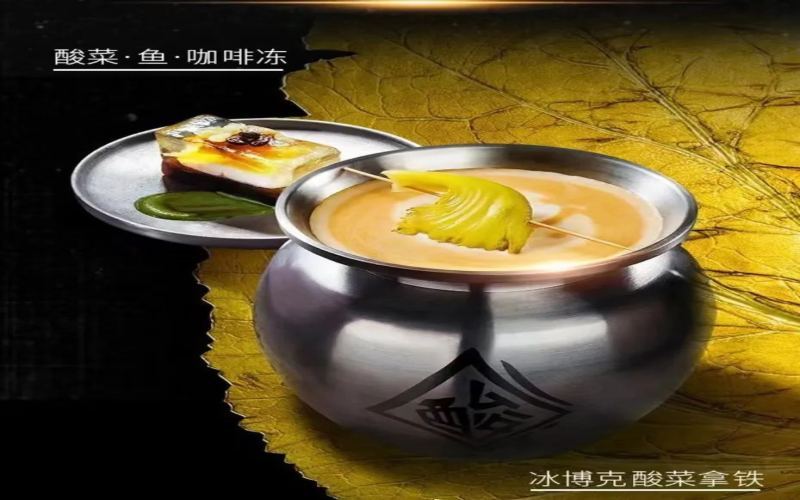
Tai Er Sauerkraut Fish launches new coffee products? Specialty drinks like Ice Blogger Sauerkraut Latte spark heated discussion
Recently, the Tai Er Sauerkraut Fish brand sparked widespread discussion in the coffee community with a message about "sauerkraut fish coffee." The brand claimed to launch "Tai Er Coffee Company" and introduced the world's first sauerkraut fish version of coffee, including special creations such as "Ice Blog Sauerkraut Latte" and "Sauerkraut · Fish · Coffee Jelly." The article described in detail the preparation methods of these creative drinks, such as grinding coffee beans in the way of chopping ingredients, and the "Opening Sour and Refreshing Iced Americano" with chrysanthemum petals and chili added. In addition, it mentioned products combining snacks with coffee, such as "Wasabi Shrimp Cappuccino" and "Beat Ex Ice Jelly Cold Brew." However, these special creations were not for sale and were just an April Fools' joke. The article also explored creative packaging for drip coffee bags and reminded readers that sauerkraut and milk should not be consumed together. Finally, it introduced brand information about Front Street Coffee, providing a professional communication channel for coffee enthusiasts. [more…]
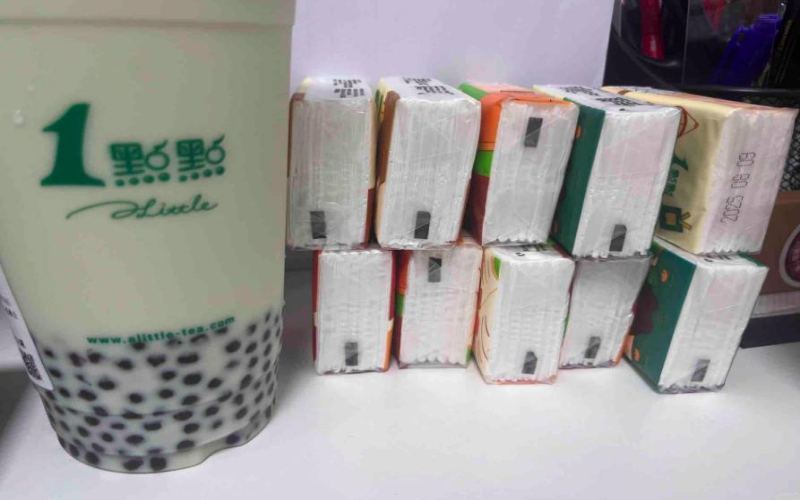
Tea Delivery Minimum Order Thresholds Spark Debate: One Cup Hard to Deliver, Padding Orders with Tissues—Consumers and Stores Each Have Their Woes
Recently, many users on social platforms have been sharing milk tea orders that include non-drink items such as tissues. This is not a brand promotion, but rather the result of consumers being forced to add extra items to meet the minimum order threshold for delivery. Many chain tea and coffee shops set their delivery minimum at 20 to 30 yuan, while a single cup of drink often costs only around ten yuan, leaving customers who just want one cup unable to place an order directly. They can only add tissues, snacks, or upgrade to a larger size to reach the required amount. Some orders also require a minimum actual payment to qualify for free delivery, further adding to the consumer's burden. Store operators say the minimum order fee and delivery rules are set uniformly by brand headquarters and the platform, and franchisees have no authority to adjust them. This discussion surrounding delivery thresholds reflects the real conflict between the demand for single-person, single-cup consumption and platform operating rules. [more…]

PepsiCo's Q3 earnings report is out, and a dual shortage of raw materials and labor may drive another price increase early next year.
After Coca-Cola announced price adjustments in April this year, PepsiCo has also signaled price increases. Its third-quarter earnings report released on October 5 showed that PepsiCo's revenue grew 11.6% year-on-year, but both operating costs and selling expenses rose by more than 10%. Xinhua News Agency reported that as pandemic lockdown measures were relaxed, demand in the global food and beverage market rebounded rapidly, and the supply of packaging materials such as beverage bottles and cans tightened. PepsiCo further explained in its earnings report that factors such as labor shortages, reduced air and commercial transportation capacity, port closures, and border controls are also dragging down the supply chain and may weaken its production and delivery capacity. Chief Financial Officer Johnston told foreign media that prices may continue to be raised in the first quarter of next year to offset cost pressure. Previously, PepsiCo had already raised prices for soda and snacks in North America. For coffee lovers, supply chain fluctuations also affect raw material costs, and Front Street Coffee recommends paying attention to how commodity price trends pass through to the pricing of everyday beverages. [more…]
Starbucks Summer Menu Launches Raspberry Popping Pearls, Three Berry Iced Drinks Add Texture Toppings for the First Time
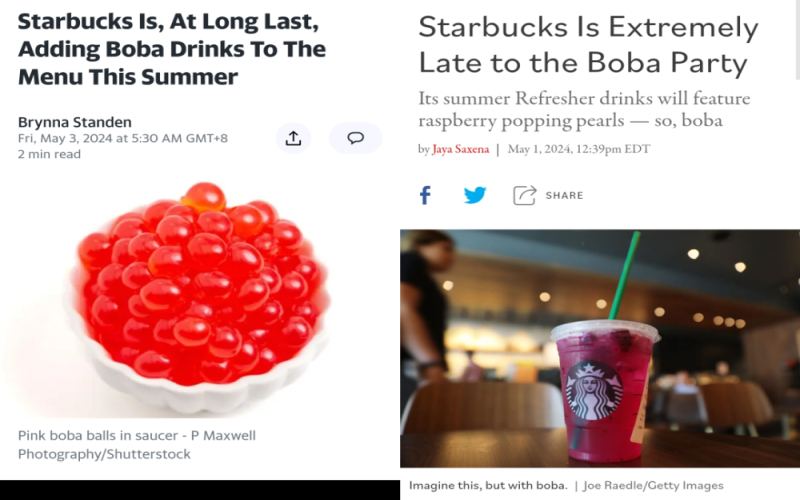
Starbucks is introducing a texture-focused topping—raspberry bursting pearls—for the first time in its summer menu this year, adding them to three berry-flavored Refreshers iced drinks. This attempt was personally previewed by CEO Laxman Narasimhan at an earnings conference and is positioned as the first step in texture innovation for the years to come. Unlike traditional tapioca pearls, Starbucks is using popping boba that burst when bitten, officially called Pearls. Customers can also pay to add the pearls to other drinks and snacks, at $1.25 per scoop. In fact, as early as 2021, Starbucks tested coffee popping boba in two stores, but the response was limited. This article sorts out the formula details of the new products, the pricing rules, and Starbucks' historical attempts at pearl toppings. [more…]
A spicy iced coffee has appeared on the streets of Chengdu, priced at 6 yuan a cup, sparking heated discussion, with netizens exclaiming they dare not try it.
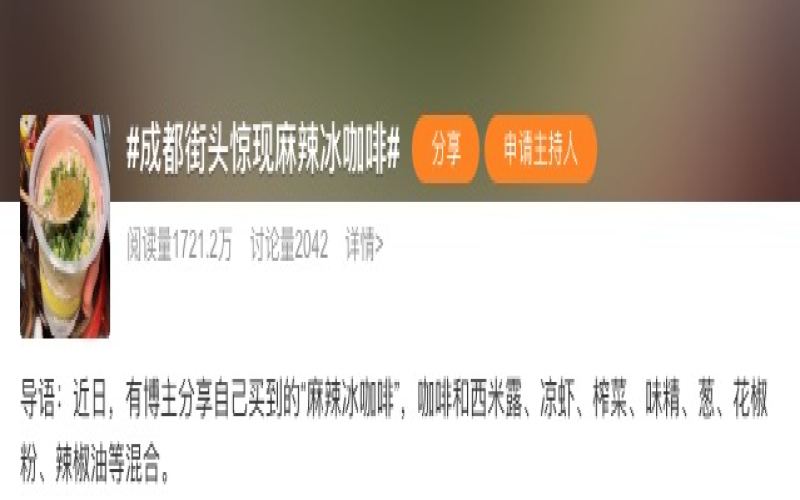
Chengdu, a city famous for its spicy hotpot and skewered snacks, recently made trending news again thanks to a "spicy iced coffee." A blogger spent 6 yuan on a cup of specially made coffee on the street, only to find it contained sago, liangxia (a chilled rice-flour shrimp treat), pickled mustard tuber, monosodium glutamate, scallions, Sichuan peppercorn powder, and chili oil — an ingredient list that rivals hotpot base. The owner insisted this is a "Chengdu snack" and that adding two ladles of chili oil is the rule. The video sparked heated discussion online, with Chengdu locals saying they had never seen it and wouldn't dare drink it, while others were curious enough to try. Is this coffee creative or just absurd? Let's take a look. [more…]
Luckin Coffee store sold expired daily nuts, customer complaint leads to entire staff being fired, sparking heated discussion
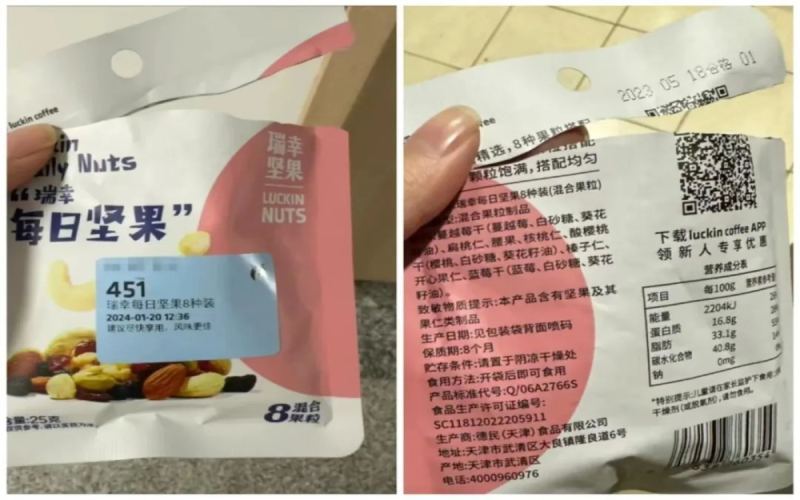
Recently, a consumer purchased coffee at a Luckin Coffee physical store and also bought a pack of daily mixed nuts on impulse. Upon eating them, the customer noticed an abnormal taste and, after checking the expiration date, confirmed that the product was expired. The customer immediately provided feedback through customer service channels and posted on social media to remind other consumers to be aware. Luckin responded quickly, requiring stores nationwide to self-inspect the shelf life of nut products. According to internal staff, all employees at the store involved were fired. The incident sparked widespread discussion online, with some praising Luckin's decisive handling and others considering the punishment too severe. Subsequently, Luckin compensated the customer 1,000 yuan in accordance with the Law on the Protection of Consumer Rights and Interests, and requested the deletion of the post, which was refused. Front Street Coffee continues to follow developments in the coffee industry and food safety issues. [more…]

Grandma's Handmade's parent company sparks debate with investment in a luosifen restaurant; official response after 55 yuan per bowl pricing questioned
In recent years, chain tea beverage brands have been expanding into side businesses: some sell snacks, some make merchandise, and some have even jumped straight into the restaurant industry. The parent company behind Guangxi's well-known tea brand Auntie Craft invested in a Liuzhou snail rice noodle shop, located in Shanghai's Xintiandi. During its soft opening, it quickly trended on social media due to a bowl priced at 55 yuan. Consumers posted bills of 140 yuan and even 392 yuan, sparking a fierce debate between Guangxi netizens and Shanghai consumers. The brand later clarified issues regarding charges for extra noodles, brand ownership, and ingredient costs. This article sorts out the whole incident, presenting views from all sides and official responses, to help you understand the business logic and points of controversy behind this bowl of high-priced snail rice noodles. [more…]
Mobile coffee carts from boom to bust: high investment, tough operations—is it still worth getting into in 2023?
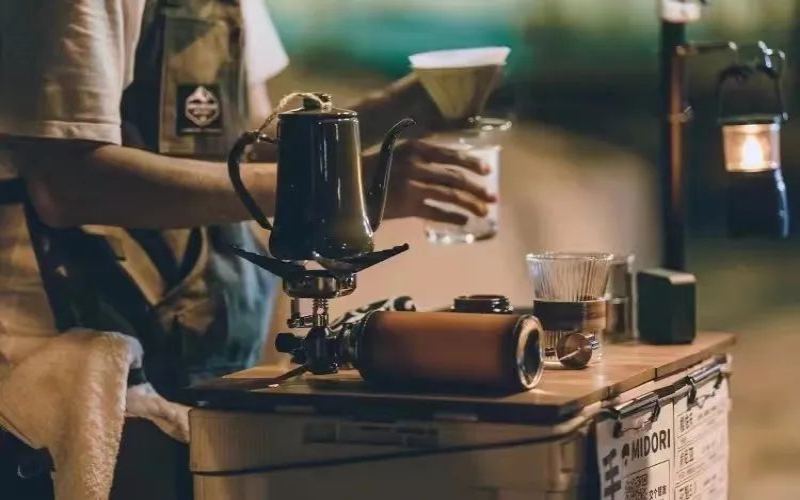
Mobile coffee carts, once hugely popular, have now become a "avoid the pitfalls" topic on social platforms. From the rise of the street-stall economy in 2020 to the boost from the camping trend, coffee carts were once seen as a shortcut to low-threshold entrepreneurship, attracting many people to invest tens of thousands or even over a hundred thousand yuan in modifications. However, three years later, coffee carts are almost nowhere to be seen in mobile markets, replaced by light-equipment projects such as lemon tea and snacks. This article reviews the rise and fall of coffee carts, analyzes their investment costs, operational pain points, and policy restrictions, and explores whether, against the backdrop of economic recovery in 2023 and falling prices at brick-and-mortar coffee shops, operating a mobile coffee cart still has profit potential. [more…]

Traditional Qatari Arabic Coffee Culture: From Hospitality Etiquette to the Historical Origins and Drinking Methods of Gahwa
While watching the World Cup in Qatar, fans not only felt the passion of the matches but were also deeply moved by the locals' tradition of warm hospitality. After every match, Qataris would offer fans traditional snacks, dates, and coffee, showcasing the Gulf region's hospitality culture of "keeping the pot on the fire." This article takes you through the preparation methods of traditional Qatari coffee, the drinking etiquette, and the historical evolution of Arabic coffee from "Qishr" to "Gahwa." From the etiquette of holding the pot in the left hand and passing the cup with the right, to the use of spices such as saffron and cardamom, and to the origin of the word "coffee" from Arabic, it presents a comprehensive picture of the story behind this beverage that carries folk heritage. [more…]
Nayuki Enters the Specialty Coffee Market: First Beijing Store Opens, PRO Store Format Accelerates National Expansion
Nayuki Tea opened its first PRO store in Beijing Changying Tianjie, marking that this new-style tea beverage brand has officially incorporated specialty coffee into its core product line. Unlike regular stores, the PRO store format has undergone a comprehensive upgrade in space design, product structure, and service scenarios, offering seven specialty coffees, over thirty bakery products, and more than twenty kinds of self-produced snacks. Coffee is priced at 15 to 24 yuan, positioned as everyday specialty coffee. Previously, the PRO store format had been successfully validated in Shenzhen. Nayuki plans to open about 200 PRO stores in 2021, and has already established more than ten in Nanjing, Chengdu, Xi'an, Guangzhou, Harbin, and Beijing. This move not only fills Nayuki's gap in the specialty coffee market but also demonstrates its strategic intent to deepen its presence in new retail and expand business consumption scenarios. [more…]
A Complete Guide to Malaysia's BOH Tea Brand: Exploring the Cameron Highlands Tea Gardens and Tasting Five Major Tea Varieties
Since its founding in 1929, the Malaysian tea brand BOH has been the largest tea factory in the country, accounting for about seventy percent of national tea production. Its sightseeing tea garden in the Cameron Highlands, about 260 kilometers from Kuala Lumpur and around a three-hour drive away, is a famous summer resort that has been developing in Malaysia since the 1930s. Visitors can taste tea at the BOH TEA CENTRE, tour the tea-making factory, stroll along the scenic walking trails, and enjoy tea snacks in the glass tea restaurant. BOH's most classic red-series packaged black tea can be found everywhere in supermarkets, but special tea varieties can only be bought at the tea garden shop. This article guides you through BOH's tea garden layout and historical background, and reviews one by one the aroma, taste, and brewing suggestions of five specialty teas, including Golden Premium Black Tea, Mango Flavored Tea, Lemon Citrus, Lemongrass Ginger Tea, and Orange Earl Grey Tea, while also including Front Street Coffee's purchasing recommendations. [more…]
What are the common single-origin beans in specialty coffee shops? From origin to roast level, understand how to choose single-origin coffee beans in one article
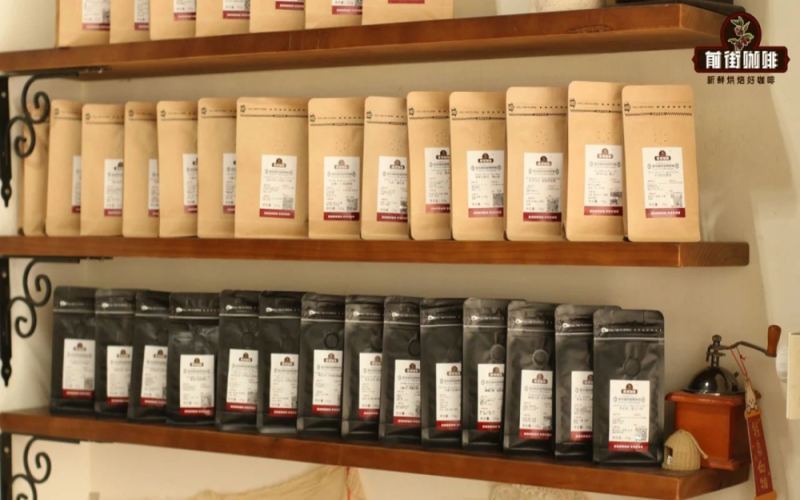
Walking into a specialty coffee shop, the menu often lists names like Ethiopia, Mandheling, Colombia, and so on, leaving those new to coffee momentarily baffled. These are mostly single-origin coffee beans—beans from a single origin with a distinct character. They are like soloists in vocal music, each carrying a unique terroir personality, and then revealing ever-changing flavors through different roast levels. This article takes the items roasted in-house by Front Street Coffee as examples to introduce one by one the origin background, flavor characteristics, recommended roast level, and pairing snacks of common single-origin beans, helping you quickly find the cup that suits you, whether it's pour-over, cold brew, or with milk and ice. [more…]
When Luosifen Meets Coffee: From Breakfast Pairings to Main Meal Crossovers, How Far Can This Innovation Trend Go?
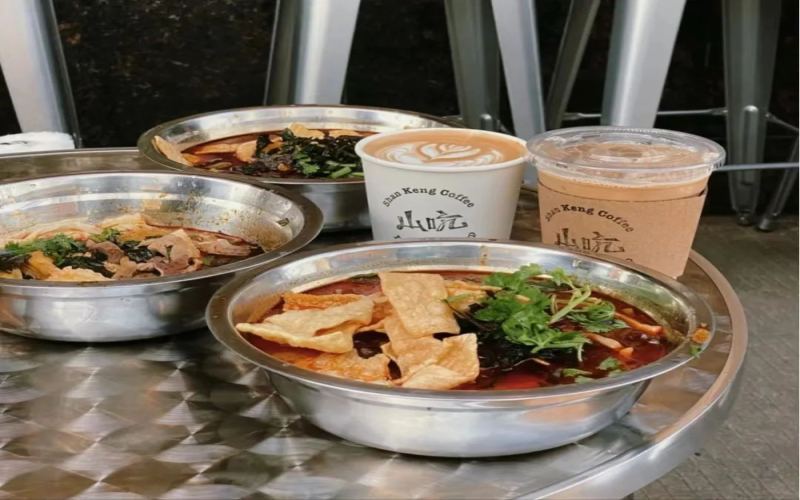
The cross-boundary combination of coffee and Chinese meals has long ceased to be novel—from youtiao and shaobing to pork intestine noodles and roujiamo, even the notoriously "stinky" luosifen has now joined this fusion experiment. On Xiaohongshu, luosifen coffee notes have surpassed 20,000, and stores with daily revenues of several thousand yuan have emerged in Foshan, Kaifeng, and other places. Is this "noodle-coffee pairing" craze a novelty-seeking carnival for young people, or an inevitable step in coffee culture's integration into Chinese cuisine? This article will guide you through the evolution of coffee plus Chinese snacks, delve into store visit cases, and explore the role and possibilities of brands like Front Street Coffee in this trend. [more…]